
teen adventure programs since 1973
 

Peru Travel and Peru Tours for Teens

HOME ›  Blog ›  Contact us ›  Videos ›  Wilderness Ventures in Your Area › 
teen summer camps by Wilderness Ventures Wilderness Ventures
find a trip
grade completed   Trips by region   Trip by activities
› 6th   Rocky Mountain   Hawaii   › Backpacking
    › Jackson Hole   › Hawaii Kauai   › Bicycle Touring
› 7th   › Yellowstone   › Hawaii Service   › Biking
    › Colorado   Central America   › Canoeing
› 8th   › Grand Teton   › Costa Rica   › Canyoneering
    › Great Divide   › Costa Rica Surfing   › Community Service
› 9th   › Yellowstone Teton   › Costa Rica Belize   › Cultural Immersion
    › Yellowstone Fly Fishing   › Costa Rica Service   › Fly Fishing
› 10th   › Wind River Mountaineering   › Costa Rica Service Two Week   › Glacier Trekking
    › Teton Crest   Pacific Northwest   › Hiking
› 11th   › Yellowstone Wilderness   › Puget Sound   › Ice Climbing
    › Yellowstone Teton Service   › Oregon   › Inflatable Kayaking
› 12th   › Yellowstone Teton Explorer   › Oregon Two Week   › Language Immersion
    › Grand Ascent   › Pacific Northwest   › Leadership Training
› College   Alaska   › Northwest   › Mountaineering
    › Alaska   › Cascade Olympic   › Mountain Biking
Trip categories
  › Alaska Southeast   › Northwest Summits   › Rock Climbing
  › Alaska Southcentral   › British Columbia   › Ropes Course
› Explorer Adventures   › Alaska Two Week   › Oregon Explorer   › Sailing
    › Alaska College   › Mount Rainier   › Sea Kayaking
› Leadership Adventures   › Alaska Service   East Coast   › Scuba Diving
    California   › Blue Ridge   › Skiing/Snowboarding
› Leadership Expeditions   › California   › Cape Cod Bike   › Snorkeling
    › High Sierra   › Adirondack Explorer   › Snow Climbing
› International Adventures   › Pacific Coast Bike   Europe   › Surfing
    › California Explorer   › European Alps   › Whitewater Kayaking
› Community Service Adventures   South America   › Southern Europe   › Whitewater Rafting
    › Ecuador Galapagos Service   Australia & South Pacific   › Wilderness First Aid Certification
› 40th Anniversary Trips   › Peru Service   › Australia Fiji   › Zipline
    Southwest   › Tahiti Fiji New Zealand    
    › Colorado Utah Mountain Bike   › Fiji Service    
    › Colorado Utah        
    › Southwest Service        
Who We Are Our Leaders Why Wilderness Ventures Request A Catalog Enroll Now
 
  • image
  • image
  • image
  • image
  • image
  • image
  • image
  • image

Peru
Community Service Adventure

DATES: 6/23-7/14, 7/17-8/7
Duration: 22 Days
tuition: $ 5,690 Discounted group flight(s) additional
Arrive/Depart: Miami, FL
Grades: 9th & up


HIGHLIGHTS
  • Introduction to Spanish Language
  • Explore Historic Cusco
  • Assist Andean Villagers
  • Raft the Apurimac River
  • Trek the Lares Trail and Explore Machu Picchu
  • Help Build a Local School
  • Sea Kayak on Lake Titicaca
  • Live with Uros Villagers
  • Earn 60 Hours of Community Service
trip map
ACTIVITIES
  • Backpacking
  • Community Service
  • Cultural Immersion
  • Hiking
  • Language Immersion
  • Leadership Training
  • Sea Kayaking
  • Whitewater Rafting

Days 1-2

Our Peru trip will start in Miami where we will board a Lan Peru flight direct to the capital city of Lima. After meeting everyone from their respective arrival flights, we will get checked in together as a group. There will also be some brief time before taking off for introductions and orientation getting us super excited about this upcoming South American adventure. Arriving in Peru, we will collect our luggage, clear Peruvian customs, and be transported to our local hostel in Lima. After settling into our hostel and relaxing for a few hours in this city, a local guide will take us on a city tour visiting some of the famous sights. We will also participate in an informal Spanish language and Peruvian customs workshop. We'll enjoy an orientation of Peru's intricate history of pre-Columbian civilizations during a half-day city tour of Lima that includes the Plaza de Armas and Presidential Palace. It will be an early evening to bed, as our long travel day will begin to catch up.

Day 3

We'll take a spectacular, 50-minute flight over the Andes Mountains to Cusco. Here, we'll be staying at the Colonial Palace, a charming colonial style inn where you'll begin acclimating to the city's altitude, 11,151 feet (3,398 meters) above sea level. This afternoon you will be introduced to the illustrious history of the Inca civilization. We'll explore Cusco's cobbled streets and narrow passageways with brightly painted balconies overhead. During our exploration, we'll make stops at the historic Plaza de Armas, the Coricancha, the Inca's Sun Temple, the Incan fortress of Sacsayhuaman, and the ceremonial pools of Tambo Machay. That evening, we'll enjoy dinner in a local restaurant and stroll around the main plaza for views of the Cathedral lit up at night.

Days 4-6

After breakfast, we'll embark on a journey into the Sacred Valley of the Incas. The route from Cusco follows a winding mountain road with awe-inspiring views of the stunning canyon below, which was formed by the Urubamba river. We'll feel the temperature rise as you descend into the warm valley and visit the Inka temple of Chokekillka. That afternoon, we'll arrive in the town of Soccma where you will spend the next three days participating in community service projects. We'll have an orientation of Soccma and briefing about the upcoming projects. Soccma is a small agriculture-based community with approximately 40 humble Quechua families. Their crops include several types of potatoes, maize, choclo, quinoa, wheat and barley. The provincial government does not officially recognize Soccma as a community; therefore it does not receive certain benefits such as financial aid and support that other surrounding communities receive. Community service projects will include education about oral hygiene where we distribute new toothbrushes, toothpaste and floss to households, and show community members how to take care of their teeth. Lack of oral hygiene is a big problem among children and adults in this area. Other community service projects will include helping the community with specific tasks such as changing the roofs of houses, building a small library and delivering children's books from Cusco.

Days 7-9

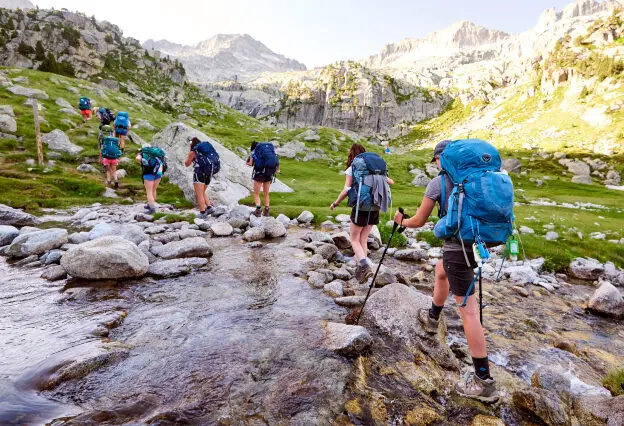
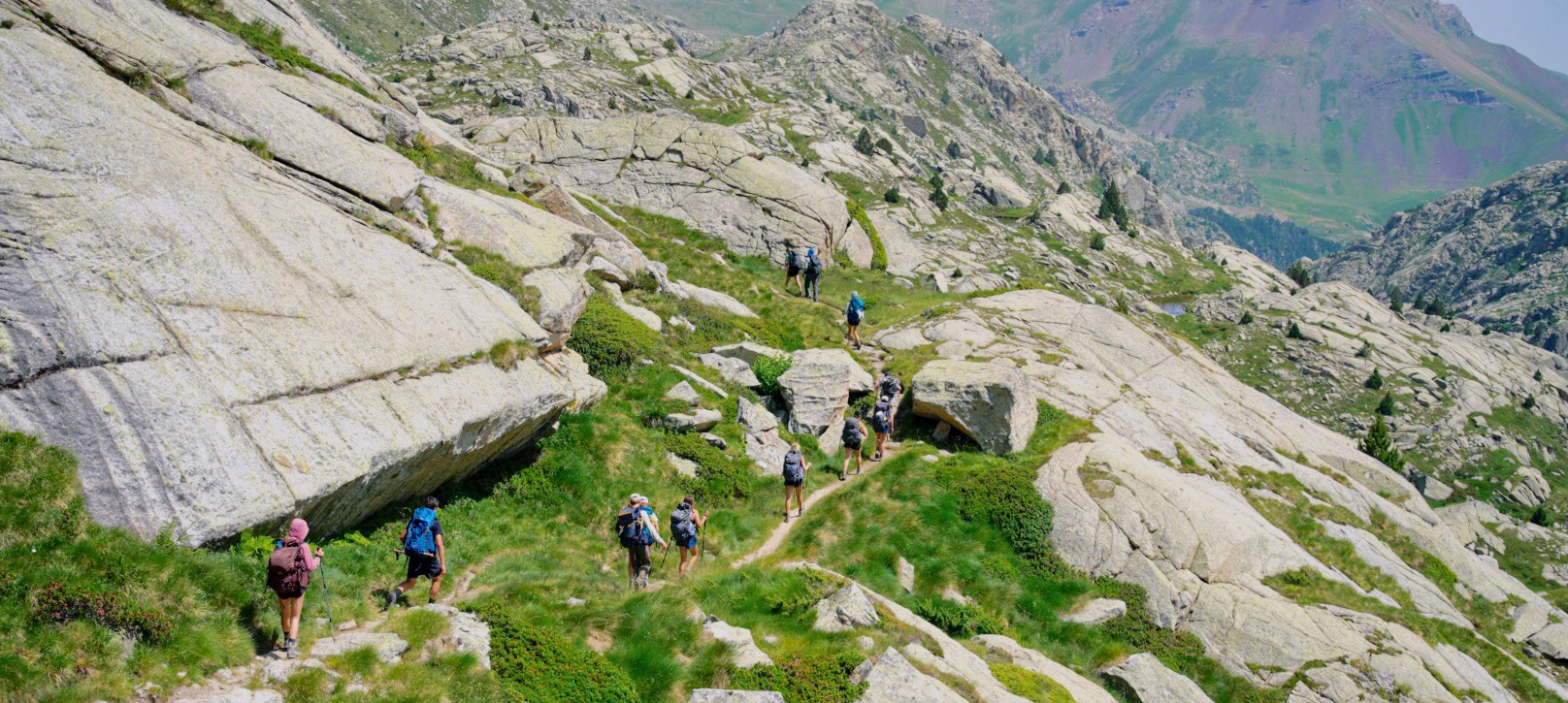
After saying goodbye, we'll begin our trek to Cachicatta, which takes us along a beautiful ridgeline with ancient ruins, temples, and spectacular views of the snowcapped Mount Veronica. Ascend to the Perolniyoq Waterfall and feel the wind and spray of this powerful 300-foot waterfall. Follow an ancient Inca irrigation channel and arrive at Ccorimarca, your first camp that boasts panoramic views of the surrounding Andean highlands. On the second day of our trek, we'll make our ascent to Chancachuco lookout point. This stretch is the highest point on the Cachicatta trek reaching 14,435 feet above sea level. We'll enjoy views of mountains such as Apus, Ausangate, Pachatusan, Salcantay, Mount Veroncia, as well as the fields of Chincheros, Moray, and the salt mines of Maras. Descending from the lookout point, we'll have lunch near the Mamacochas lagoons, rich in native flora and fauna. Here, we'll be amazed at the abundance of wildlife, seeing the Andean woodpecker, Mountain Caracara, or, with a little luck, an Andean Condor. After lunch, we'll notice the landscape change and the terrain become more favorable as we descend to our second camp. On the final morning of our trek, after an early rise and a hearty breakfast, we'll hike through canyons and valleys, quite different from the first two days of the trek. Explore ancient sites along the way that few tourists have seen such as the Pyramid of Paccarectampu and the Choquetacarpu ruins. After lunch, we'll visit a nearby Inca quarry and ancient Inca tombs before descending to your final campsite perched on a hill overlooking the village of Cachicatta.

Days 10-11

This morning, we'll begin exploring the Sacred Valley in Ollantaytambo. During the era of the Incan Empire, Ollantaytambo was the royal estate of the ninth Inca, Pachacuti, one of the most important Inca rulers because of his role in expanding the Inca Empire throughout South America. Pachacuti conquered the region of Ollantaytambo and built the town and a ceremonial center. Today Ollantaytambo is thought to be the only remaining example of pre-Colombian urban planning. It still retains the original street plan and foundations designed by the Incas. Observe the Fortress and remains of the sun temple. After lunch near the main plaza, we'll board the train to Aguas Calientes. Check in at your hotel in Aguas Calientes and have an early dinner to rest and prepare for tomorrow's hike to Machu Picchu. The next day, we'll wake up at 4am and begin our hike through the lush green cloud forest mountains that surround Machu Picchu. We'll arrive at the entrance to Machu Picchu by 6:00am and witness a breathtaking sunrise at the ruins. Machu Picchu, which means "old peak" in Quechua, is Peru's most prominent symbol of its pre-Colombian past. Never discovered by the Spanish Conquistadores, this Lost City of the Inca is an authentic glimpse into the past. Explore these extraordinary ruins and visit all areas such as the industrial area, the Temple of the Sun, the Royal Tomb, ceremonial fountains and baths, and the Sacred Plazas. Finally, we'll hike to the summit of Huayna Picchu (Young Peak) for a birds-eye view of the ruins.

Days 12-14

The Apurímac River, which means, "speaking God" in Quechua, is the source of the world's largest river system, the Amazon River, and was considered a sacred river by the Incas. After a briefing on safety and rafting techniques by our professional river guides, we will set out on your whitewater adventure, which takes us through the Class III and IV rapids of the Black Canyon. By the end of our third day on the water, we'll be savoring the calmer water and enjoying one of the most beautiful stretches of the canyon. Here, we'll see fauna such as river otters, foxes and torrent ducks.

Days 15-18

Today we'll begin the second service component of our journey. On the Capachica Peninsula on the shores of Lake Titicaca, we'll be greeted by the community of Santa Maria and led to the homes of the villagers who will host us over the next few days. The village of Llachón is is home to 280 Aymara families. Here we'll have a briefing about our upcoming community service projects. During the next three days, we'll be painting the classrooms and restoring the ceiling of a local elementary school. In addition to the important service work that we'll be doing, there will also be substantial time to interact with the children and families of the village.

Days 19-20

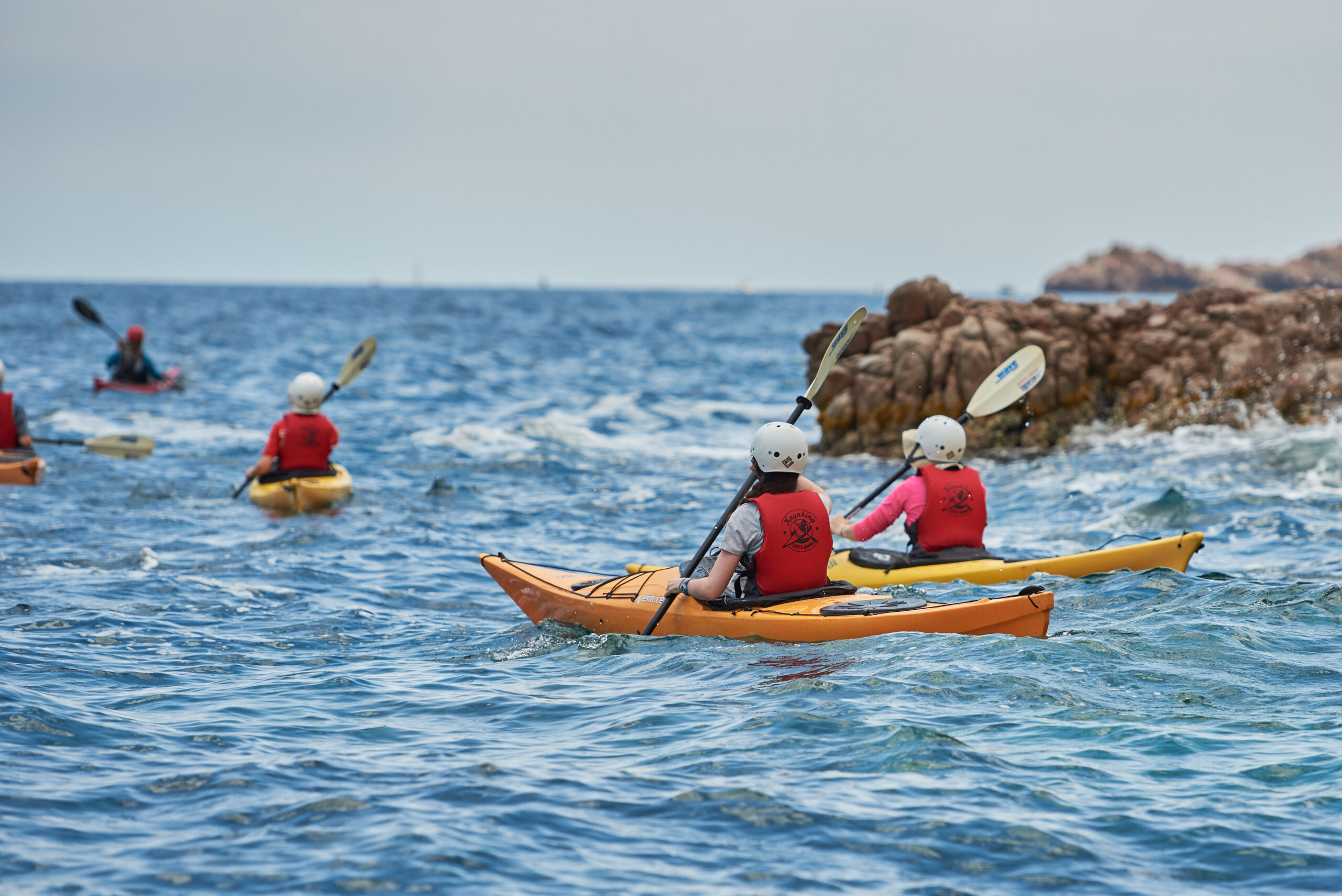
Our Peruvian summer will conclude with a few days at Lake Titicaca located in the Puno region between Peru and Bolivia. Titicaca is the world's highest navigable lake (12,500 feet) covering an area over 3200 square miles. The lake is a National Reserve and home to numerous species of birds and waterfowl, a dozen species of fish, a variety of mammals and seven amphibians, including a unique species of giant frog. It is also home the floating islands made of reeds that are populated by the Uros descendants of an ancient people. After a kayak briefing this morning, we'll load up and head southeast on Lake Titicaca from the beach in Llachón. Nearly three hours of paddling on the majestic blue waters will take us across to Taquile Island. About 1,700 people, called Taquileños, live on this distinctive island. They run their society based on community collectivism and on the Inca moral code "ama sua, ama llulla, ama qhilla" (Quechua: do not steal, do not lie, do not be lazy). The men of the community do all the knitting, as this is strictly a male domain, while the women spin the thread. After lunch we'll continue by boat to the Uros Islands. The Uros began their unusual floating existence centuries ago in an effort to isolate themselves from the Colla and Inca tribes. Sadly, the Uros language has almost died out. Today about 300 families live on floating islands built from a local type of reed called "Totora". Their homes and boats are also made of "Totora". Although the Uros people maintain a very traditional lifestyle, they do not reject technology as one might think. Many families take advantage of electricity from solar panels, which were a gift from ex-President Fujimori. On these floating reed islands, we'll have the very special opportunity to spend the night with local families and sleep in little rooms made of Totora.

Day 21-22

It will be a short flight back to Lima from Puno where our group will stay one last night in a local hostel. Our final evening in Lima will allow us to have a final dinner banquet celebrating all of our accomplishments during the summer. Spending three weeks in South America will come to end as we fly back to Miami early on the last day.


Please Note: This is a sample day to day itinerary based on service projects we have done in past years. Our service projects are put together carefully each year working with the local communities to find projects that will provide the greatest assistance for those in need. In order to be sure we are working on projects that will be both meaningful and substantive, the exact projects for each year are decided in late spring. Due to the dynamic nature of the needs of the communities, last minute changes are always possible, but they will be replaced with comparable ones.

If you like this trip, you might also like these:
FOR MORE TRIP INFO
1-800-533-2281
Our videos
Reserve a place

CUSTOM PROGRAMS
Login
   Reservations & Info: 800-533-2281 or email info@wildernessventures.com
Receive WV eAlert : Subscribe

Inca Trail Treks in Peru